
Record daily sales
Separate sales made from money received. Credit sales are not yet cash in hand.
Four practical habits for managing business money and discussing the support you need.
Separate sales made from money received. Credit sales are not yet cash in hand.
Schedule stock purchases, rent, wages, transport and repayments. Keep enough cash for the business to continue operating.
Choose an affordable amount to take home. Do not treat every cash receipt as profit.
Compare the plan with what actually happened. Adjust early if a customer pays late.
Use your own records; this exercise does not assume any business figures.
These records help you prepare a conversation. The SACCO confirms the documents actually required for your application.
These original guides draw on financial-planning themes and how banks explain services. They are not confirmed ABAHIZI products or tariffs. Bank of Kigali ↗ · I&M Rwanda ↗
Find the harvest planners, household budget, money glossary and digital-safety guides together.
Three new tools to explore your choices and turn ideas into plans.
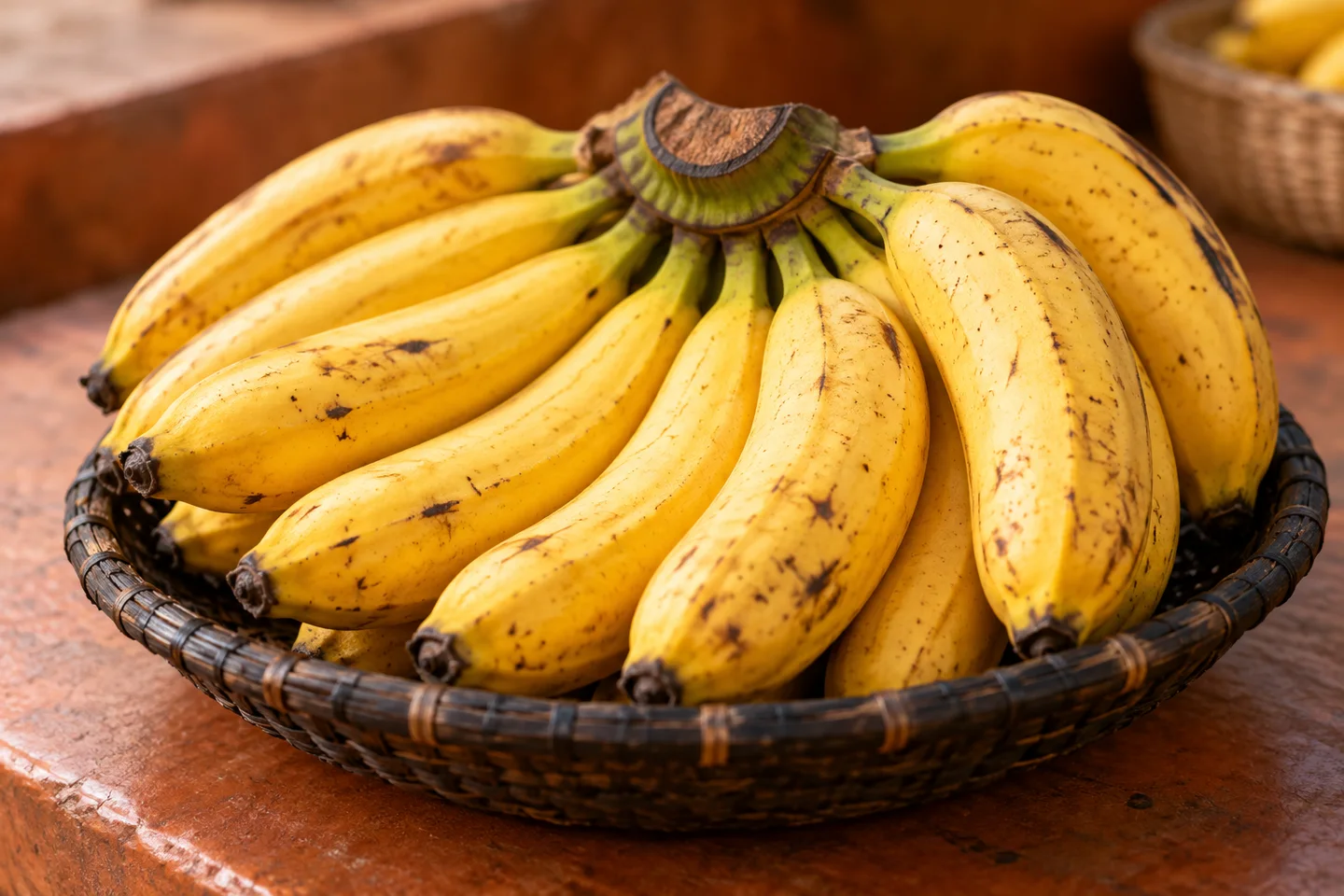
Compare two offers for the same banana harvest.
Open the planner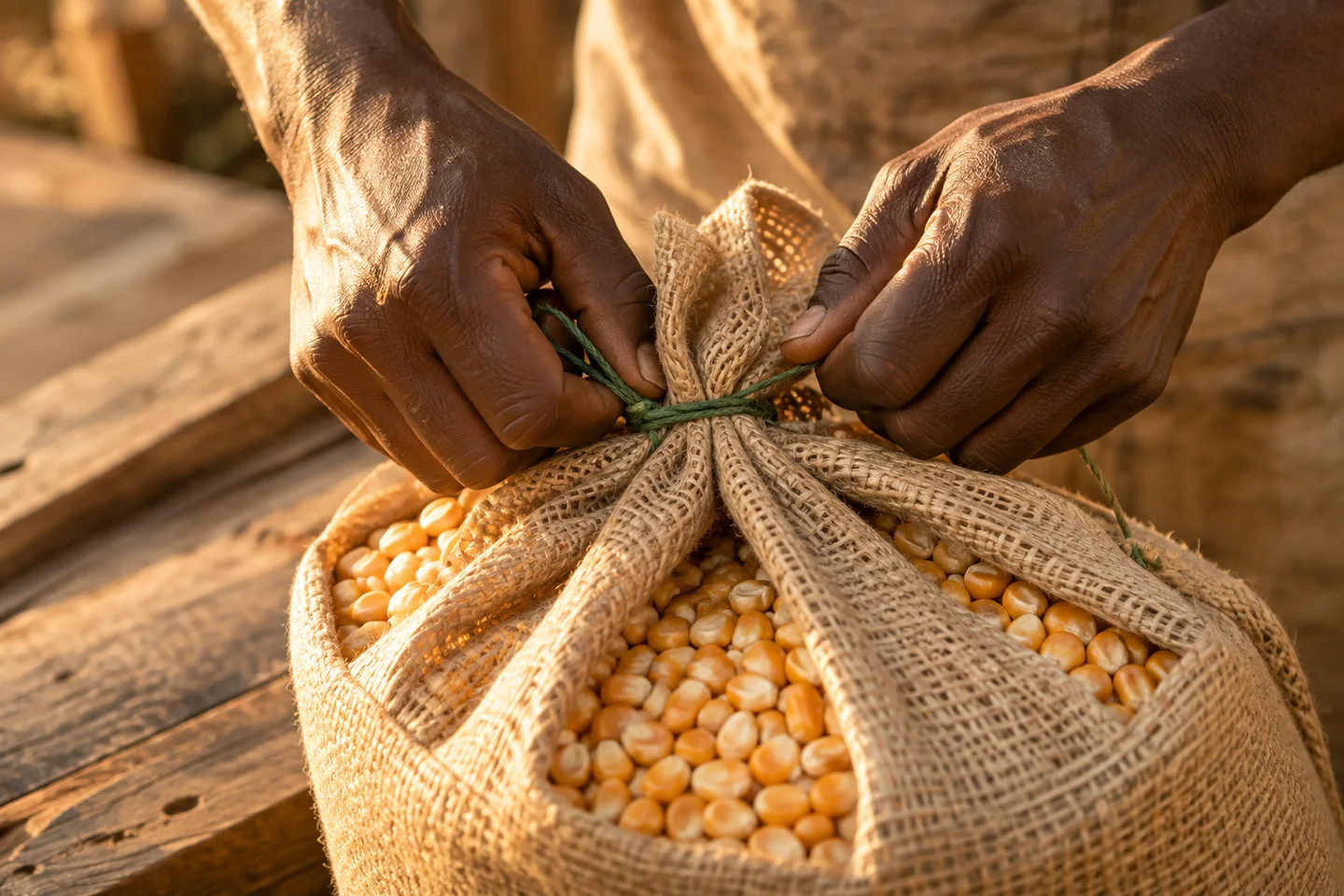
See how price, losses and storage costs affect what remains.
Open the planner
Plan irrigation costs and your weekly saving amount.
Open the planner
See where your monthly money goes and make room for a goal.
Start here
Search simple explanations of the words you hear about money.
Start here
Recognise suspicious requests and try three quick safety questions.
Start here
Bring one month’s income and outgoings together to see what remains.
Use the income you expect to receive that month. Essentials might include food, rent, school and transport. If income varies, try a lower-income month too. Count each cost in only one category.
Fill in your figures, then select Calculate.
Try a month with lower earnings. Check whether you can still cover essentials and repayments.
Review your entries. Consider what can wait and speak early with anyone you need to repay.
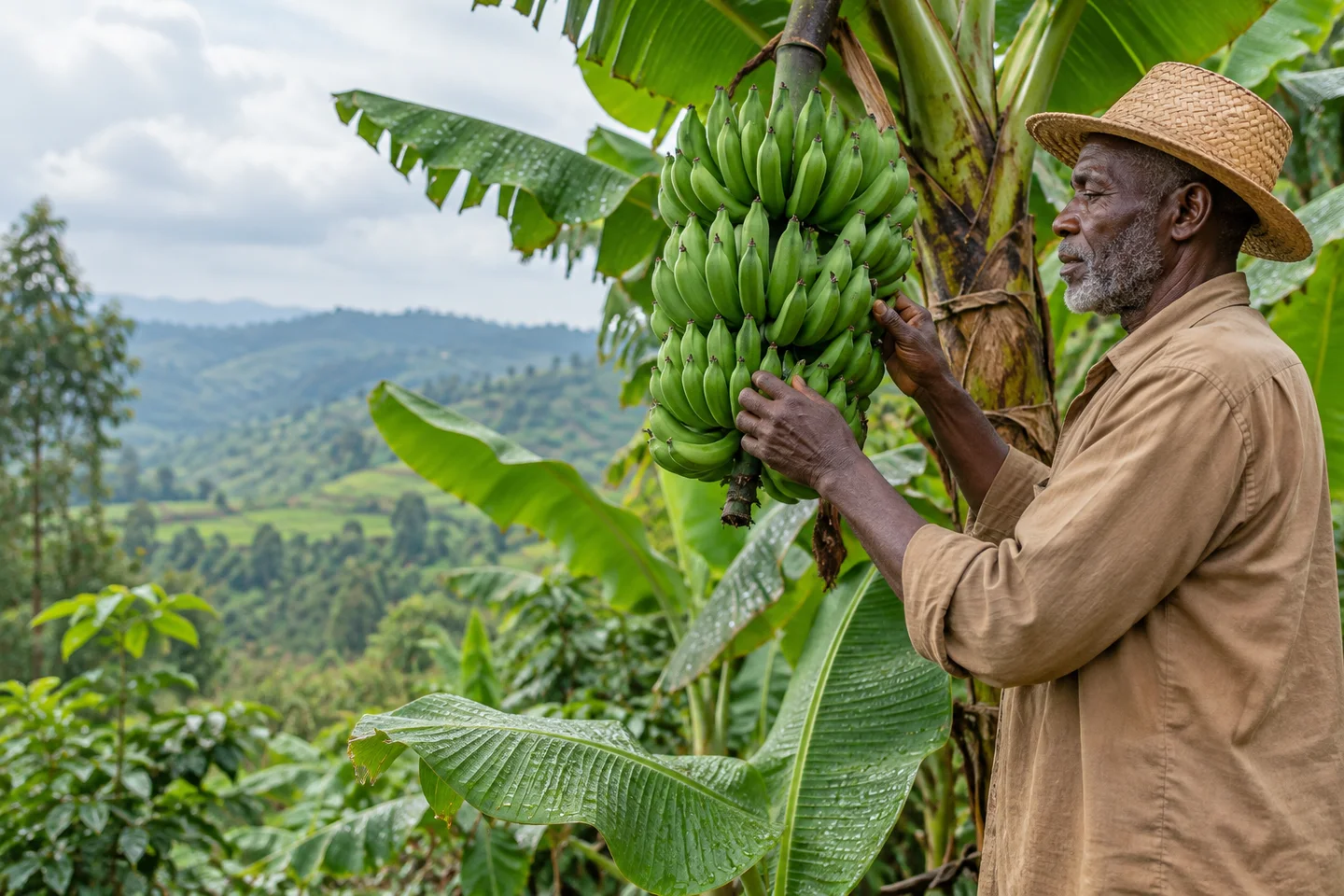
Compare a price per bunch with a price per kilogram for the same harvest.
MINAGRI documents banana farming in Rukira, Ngoma. Use this tool to compare two offers. Average bunch weight is an estimate: weigh a representative sample of your harvest first.
Fill in your figures, then select Calculate.
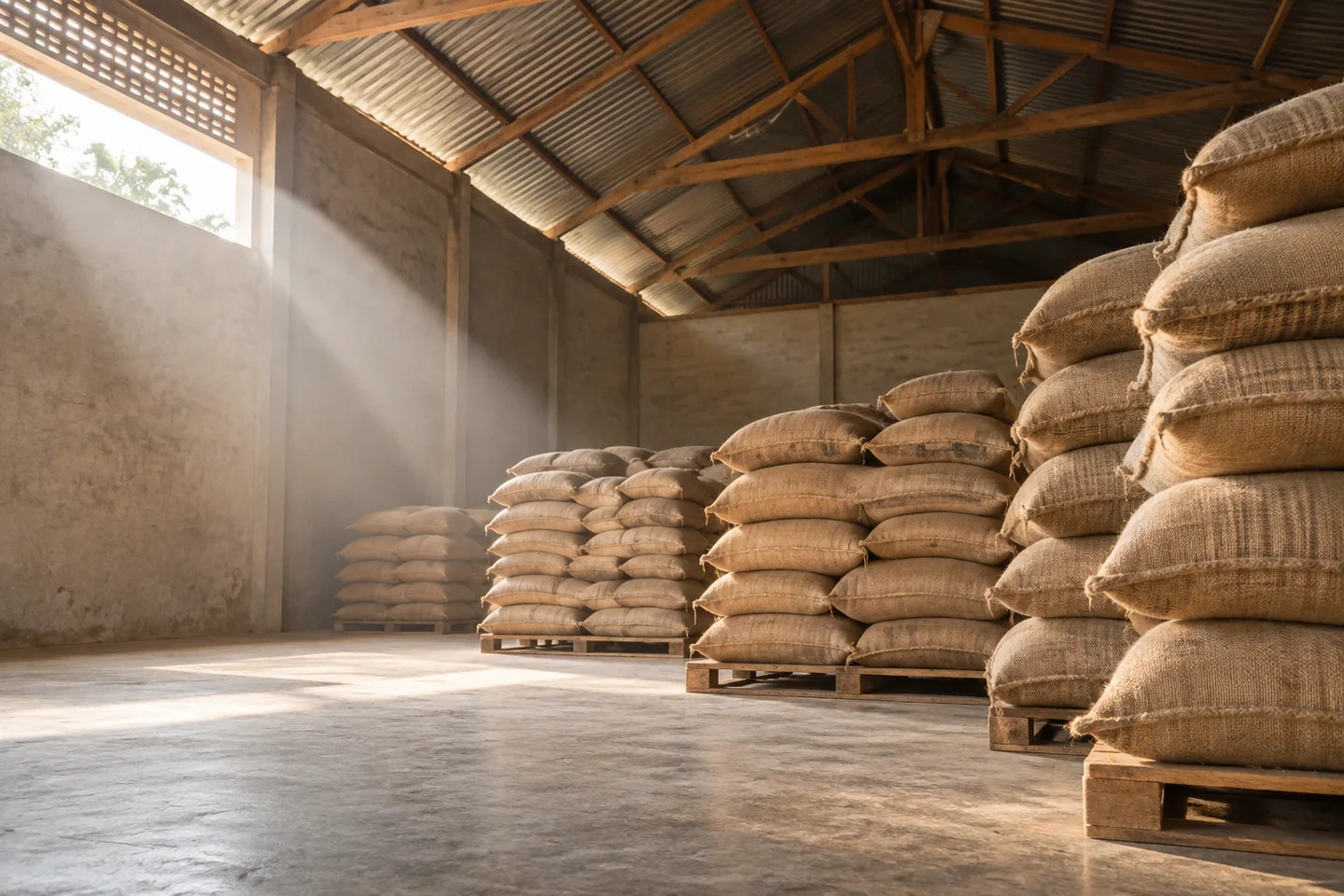
Compare selling now with what could remain after storage.
Storing maize, soybeans or another crop has a cost. Enter an expected future price, potential quantity loss and storage charges. The future price is your scenario, not a prediction.
Fill in your figures, then select Calculate.

Work out an irrigation activity budget and the amount still needed.
JICA documents the Ngoma 22 irrigation project. This tool helps you plan costs using your own quotations. It is not a Ngoma 22 tariff or a water-service application.
Fill in your figures, then select Calculate.
Use written charges supplied by the provider. Compare the same period and transaction activity.
Ask whether interest uses the outstanding balance or the original amount. The same stated rate can produce different costs under different methods.
Ask about application processing, account operation, transactions and any other contractual charges. Request a written schedule.
Understand what happens after a missed payment and the terms for paying early. Agreements can differ.
Compare repayments against a lower-income month. Leave room for essential needs and continued business operations.
Compare account or service charges. Enter 0 only when you have confirmed there is no charge. Loan interest, taxes and any costs you have not entered are excluded.
Enter the charges you were quoted to see the comparison.
Total cost = one-off charges + months × (monthly charge + transaction count × charge per transaction).
These original guides draw on financial-planning themes and how banks explain services. They are not confirmed ABAHIZI products or tariffs. Bank of Kigali ↗ · I&M Rwanda ↗